The emergence and continued rise of Georgian rugby has been one of the best stories in the sport over the past 15 years. However not only are they somewhat of an anomaly as a nation who went from absolutely nowhere to quickly reach RWC level, but they also buck another unfortunate trend as rugby in Eastern Europe currently seems to be otherwise in poor health right now.
Romania's severe struggles at junior level for the past several years and horrible 2018 have been well documented on this site. But the Oaks may be the most high profile team but are far from alone as several other lower ranked nearby nations have been going through tough times themselves.
Around 5 years ago Moldova looked to be a team on the up with some of the characteristics of a very early Georgia. They started the European Nations Cup in 2000 in the very lowest division playing the likes of Israel and Bulgaria, and rose up the levels and got very near promotion to the REC ahead of Germany in 2013/14, and did so with a big pack which notably included their first two players Vadim Cobilas and Dmitri Arhip to have gone onto have successful careers in major professional leagues.
To say their fortunes have dipped since then is an understatement as they have turned out to be the Kazakhstan of this current RWC cycle. As a Union they have totally crashed. In 2018 they continued to an ongoing 11 match losing streak, were relegated from the RET, and now in the fourth tier of European rugby they recently lost 80-6 to Sweden (a team they beat 57-8 back in 2014), and their World Ranking has plummeted from a high of 25th in 2014 to currently 56th.
At junior level their results are horrendous as well. Their U20s have not competed in a Rugby Europe tournament since 2015, whilst their U18s last year lost to Hungary (41-5), Israel (31-7), & Croatia (46-0) to rank 27th out of 27 European nations who competed at U18 level (in 2017 they also ranked 29th out 30 European nations who competed at U18 level beating Bulgaria in a last place playoff).
The only positive for Moldovan rugby this past year is an impressive new tighthead prop in Cristian Ojovan achieving a 4 year professional contract at Aurillac. He should hopefully have a good long career for another decade, but you can't expect many more players are likely to emerge into the professional game with the current state the Union is in and some of the continent's worst youth teams.
Meanwhile Ukraine were in the REC as recently as 2012 but have also fallen badly. They went from winning all their games RET in 2015, to losing them all and getting relegated to the fourth tier in 2016.
Another team who used to be in the REC is the Czech Republic who spent six seasons in the competition between 2003 to 2008 with a few players with Top 14 experience such as Jan Macháček, Miroslav Němeček, Lukáš Rapant, and Martin Jágr.
The last of those players retired a couple years ago and saw little coming through to succeed them. After lock Martin Wognitsch left Angoulême in the summer it meant there were no Czechs left in professional rugby in either of the top two divisions in France for the first time this Millennium. Also since dropping out the REC they then were relegated from the RET in 2014, and despite having gotten their place back in 2017 look well set to be relegated again this year.
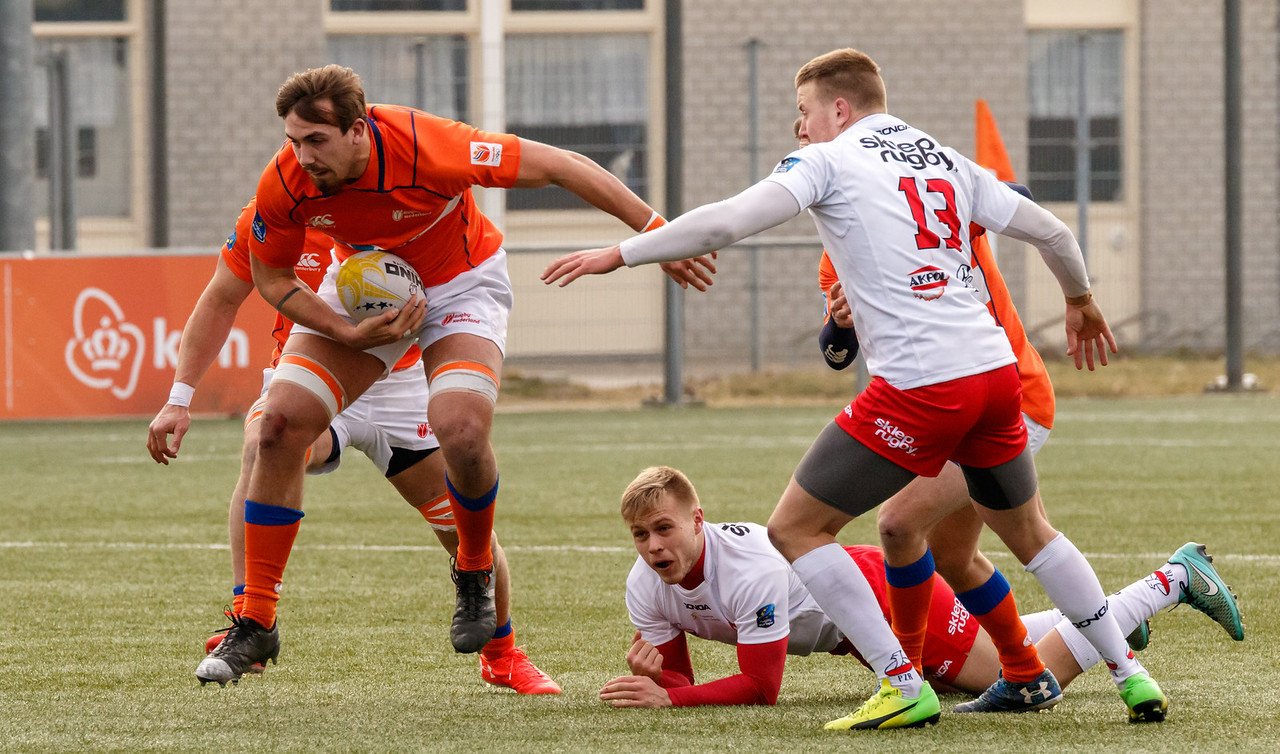
Elsewhere Poland have still not produced another player to feature in a major professional league since Gregori Kacała in the 1990s and do not appear to be a contender for promotion to the REC any time soon. They recently got trounced 49-0 at home by the Netherlands in November.
In the Baltic states, Lithuania have just seen their star prospect Jonas Mikalčius' career ended at 23 by a serious knee injury soon after he had just earned a move to the English Premiership with Harlequins, whilst Latvia's only pro players Uldis Saulite and Jurijs Baranovs at Enisey-STM are both likely near retirement.
Although there has been some more positive news for rugby in Hungary who had their first ever player to reach pro level this year in Bence Róth with Bourg-en-Bresse in Pro D2.
Whilst Russia for the last few years have not exactly made huge progress or produced a bunch new young players to come through either. Although the mood of course has been changed there since receiving a surprise RWC qualification, which has boosted the Bears as they achieved two of their best results for years against Canada and Japan off the back of it. They will hope to build off an appearance on the sport's biggest stage more successfully than they did post 2011 and improve their production line of talent at youth level (which has not been great but also not as bad as Romania).
Overall though East of Germany the picture does not really look particularly positive for rugby in Europe right now aside from Georgia. Most of the other European sides who appear to be making the most progress, certainly in terms of youth development, are all in the West.
Since Georgia U20 have had a place in the WR U20 Championship, it has been the Iberians Portugal and Spain who have been the ones usually playing it out for a spot in the U20 Trophy and look the best at U18. The latter in particular look to be in a better position to potentially see more homegrown talent of the level to play professionally in France in future compared to others. Along with that Belgium and the Netherlands also have improved in recent years into REC or potential REC level teams.
At junior level all those Eastern European RET teams have shown nothing. Romania had an awful year U20 wise yet still beat Ukraine 76-13, who had in turn beaten Poland 42-13 the match before that. Not results offering much encouragement for new players coming through.
It would be great to see a side from Eastern Europe become the "new Georgia" in terms of a 100% homegrown side rising out of nowhere and very meagre resources. However at this point not only is little progress towards that happening, but rugby in some of these nations seems to be in a dire state going backwards. Hopefully entering into a new decade this pattern can somehow reverse itself.
Romania's severe struggles at junior level for the past several years and horrible 2018 have been well documented on this site. But the Oaks may be the most high profile team but are far from alone as several other lower ranked nearby nations have been going through tough times themselves.
Around 5 years ago Moldova looked to be a team on the up with some of the characteristics of a very early Georgia. They started the European Nations Cup in 2000 in the very lowest division playing the likes of Israel and Bulgaria, and rose up the levels and got very near promotion to the REC ahead of Germany in 2013/14, and did so with a big pack which notably included their first two players Vadim Cobilas and Dmitri Arhip to have gone onto have successful careers in major professional leagues.
 |
| Moldova have spectacularly crashed from a World Ranking high of 25th to now 56th in space of just four years |
To say their fortunes have dipped since then is an understatement as they have turned out to be the Kazakhstan of this current RWC cycle. As a Union they have totally crashed. In 2018 they continued to an ongoing 11 match losing streak, were relegated from the RET, and now in the fourth tier of European rugby they recently lost 80-6 to Sweden (a team they beat 57-8 back in 2014), and their World Ranking has plummeted from a high of 25th in 2014 to currently 56th.
At junior level their results are horrendous as well. Their U20s have not competed in a Rugby Europe tournament since 2015, whilst their U18s last year lost to Hungary (41-5), Israel (31-7), & Croatia (46-0) to rank 27th out of 27 European nations who competed at U18 level (in 2017 they also ranked 29th out 30 European nations who competed at U18 level beating Bulgaria in a last place playoff).
The only positive for Moldovan rugby this past year is an impressive new tighthead prop in Cristian Ojovan achieving a 4 year professional contract at Aurillac. He should hopefully have a good long career for another decade, but you can't expect many more players are likely to emerge into the professional game with the current state the Union is in and some of the continent's worst youth teams.
Meanwhile Ukraine were in the REC as recently as 2012 but have also fallen badly. They went from winning all their games RET in 2015, to losing them all and getting relegated to the fourth tier in 2016.
 |
| The most well known Czech player Jan Macháček with Montferrand in 2001 |
The last of those players retired a couple years ago and saw little coming through to succeed them. After lock Martin Wognitsch left Angoulême in the summer it meant there were no Czechs left in professional rugby in either of the top two divisions in France for the first time this Millennium. Also since dropping out the REC they then were relegated from the RET in 2014, and despite having gotten their place back in 2017 look well set to be relegated again this year.
Elsewhere Poland have still not produced another player to feature in a major professional league since Gregori Kacała in the 1990s and do not appear to be a contender for promotion to the REC any time soon. They recently got trounced 49-0 at home by the Netherlands in November.
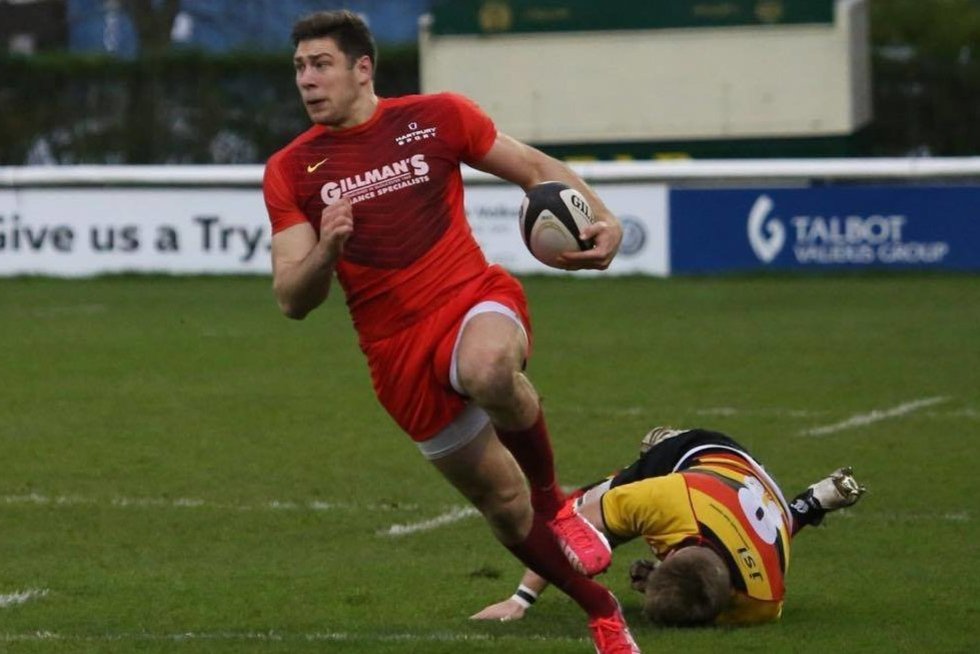 |
| Lithuania wing Jonas Mikalčius had his career ended by a serious knee injury |
In the Baltic states, Lithuania have just seen their star prospect Jonas Mikalčius' career ended at 23 by a serious knee injury soon after he had just earned a move to the English Premiership with Harlequins, whilst Latvia's only pro players Uldis Saulite and Jurijs Baranovs at Enisey-STM are both likely near retirement.
Although there has been some more positive news for rugby in Hungary who had their first ever player to reach pro level this year in Bence Róth with Bourg-en-Bresse in Pro D2.
Whilst Russia for the last few years have not exactly made huge progress or produced a bunch new young players to come through either. Although the mood of course has been changed there since receiving a surprise RWC qualification, which has boosted the Bears as they achieved two of their best results for years against Canada and Japan off the back of it. They will hope to build off an appearance on the sport's biggest stage more successfully than they did post 2011 and improve their production line of talent at youth level (which has not been great but also not as bad as Romania).
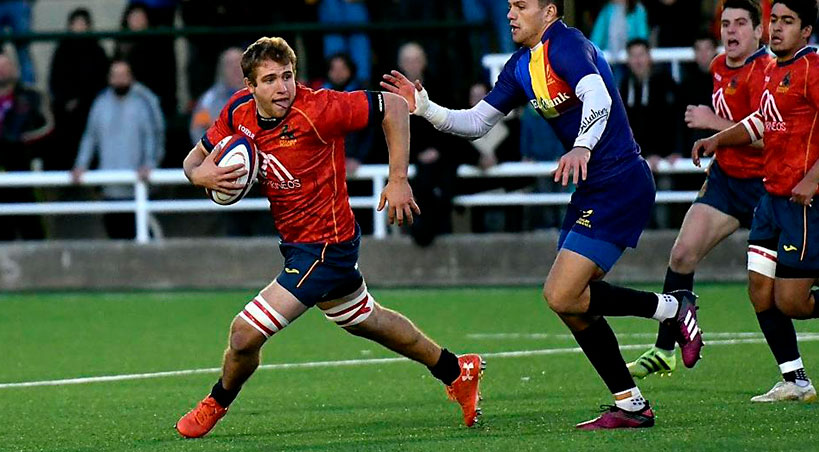 |
| Spain U20 thrashed Romania 70-6 in a friendly match last month |
Overall though East of Germany the picture does not really look particularly positive for rugby in Europe right now aside from Georgia. Most of the other European sides who appear to be making the most progress, certainly in terms of youth development, are all in the West.
Since Georgia U20 have had a place in the WR U20 Championship, it has been the Iberians Portugal and Spain who have been the ones usually playing it out for a spot in the U20 Trophy and look the best at U18. The latter in particular look to be in a better position to potentially see more homegrown talent of the level to play professionally in France in future compared to others. Along with that Belgium and the Netherlands also have improved in recent years into REC or potential REC level teams.
At junior level all those Eastern European RET teams have shown nothing. Romania had an awful year U20 wise yet still beat Ukraine 76-13, who had in turn beaten Poland 42-13 the match before that. Not results offering much encouragement for new players coming through.
It would be great to see a side from Eastern Europe become the "new Georgia" in terms of a 100% homegrown side rising out of nowhere and very meagre resources. However at this point not only is little progress towards that happening, but rugby in some of these nations seems to be in a dire state going backwards. Hopefully entering into a new decade this pattern can somehow reverse itself.